Introduction
In the rapidly evolving world of connected vehicles, Vehicle-to-Everything (V2X) communication is emerging as a key technology that will revolutionize how cars interact with each other, the infrastructure, and the environment. V2X allows vehicles to communicate with other vehicles (V2V), traffic lights (V2I), pedestrians (V2P), and even the power grid (V2G). This interconnected ecosystem promises to enhance safety, reduce traffic congestion, improve efficiency, and pave the way for fully autonomous driving.
As we look toward 2025, V2X communication is set to play a critical role in shaping the future of mobility. In this article, we will explore the concept of V2X communication, how it works, the benefits it offers, and the challenges to its widespread adoption.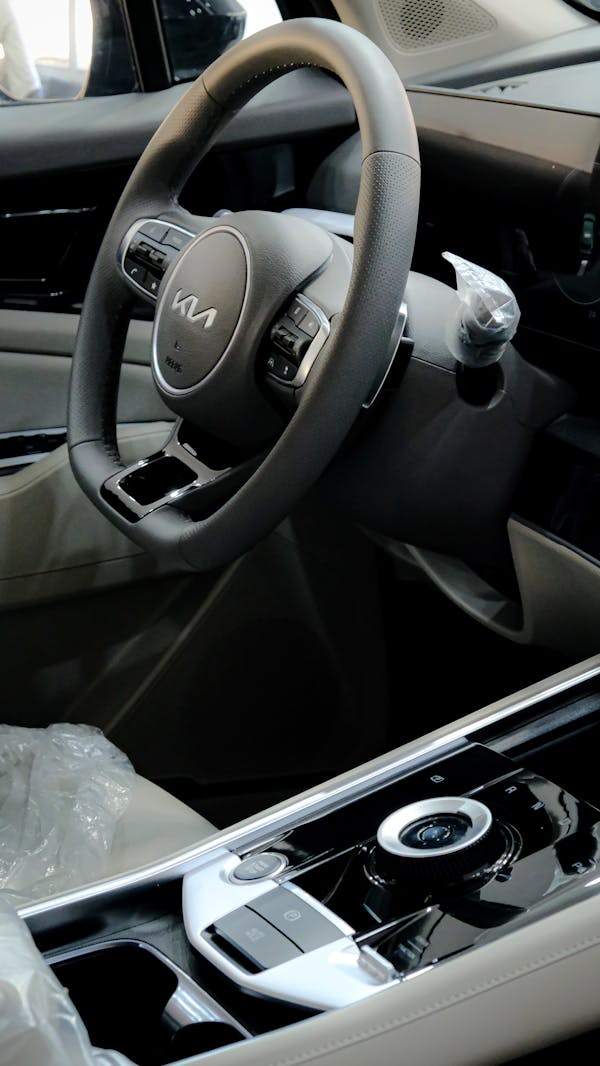
What is Vehicle-to-Everything (V2X) Communication?
Vehicle-to-Everything (V2X) communication refers to the system that enables vehicles to exchange data with other vehicles, infrastructure, pedestrians, and networks. This technology uses wireless communication protocols (such as DSRC and 5G) to enable real-time sharing of information that can improve the driving experience and enhance road safety.
V2X can be broken down into several categories:
- Vehicle-to-Vehicle (V2V): Communication between vehicles on the road, allowing them to share information about speed, direction, and potential hazards.
- Vehicle-to-Infrastructure (V2I): Communication between vehicles and traffic signals, road signs, and other infrastructure to optimize traffic flow and safety.
- Vehicle-to-Pedestrian (V2P): Communication between vehicles and pedestrians through mobile apps or wearable devices to prevent accidents.
- Vehicle-to-Network (V2N): Communication between vehicles and cloud-based networks for real-time updates on traffic conditions, road closures, and other relevant data.
- Vehicle-to-Grid (V2G): Communication between electric vehicles and the power grid to allow energy sharing, supporting sustainable energy systems.
How V2X Communication Works
V2X communication relies on dedicated short-range communication (DSRC) or cellular networks to exchange information between vehicles and infrastructure. These communication systems allow vehicles to send and receive data about their surroundings, such as:
- Speed and location of nearby vehicles
- Traffic signal status (e.g., green, red, or yellow)
- Pedestrian crossings
- Road hazards (e.g., construction zones or accidents)
This real-time exchange of data enables vehicles to make informed decisions based on their environment, improving safety, efficiency, and convenience. For example, if an emergency vehicle is approaching from behind, a car equipped with V2X can receive a signal and move to the side of the road, allowing the emergency vehicle to pass more easily.
In the future, 5G technology is expected to further enhance V2X communication by offering faster, more reliable, and low-latency connections. This will allow vehicles to communicate in real-time, providing a more seamless and responsive experience.
Benefits of V2X Communication
V2X communication holds the potential to significantly improve road safety, traffic management, and overall efficiency. Here are some of the major benefits:
1. Improved Safety
One of the most promising aspects of V2X communication is its ability to improve road safety. By allowing vehicles to communicate with each other and infrastructure, V2X can help prevent accidents and collisions. Some examples include:
- Collision Avoidance: V2V communication enables vehicles to warn each other of potential collisions, such as when a car suddenly stops or a pedestrian is crossing the road. This allows drivers to take preventive actions, such as applying the brakes or changing lanes.
- Red Light Warnings: V2I communication can provide real-time alerts about traffic signal status, allowing vehicles to adjust their speed accordingly and reduce the likelihood of running red lights.
- Pedestrian Safety: V2P communication can alert drivers to the presence of pedestrians, especially in low-visibility conditions, helping to prevent accidents involving pedestrians.
Overall, V2X has the potential to significantly reduce road accidents and fatalities, making streets safer for drivers, passengers, pedestrians, and cyclists.
2. Reduced Traffic Congestion
V2X communication can also contribute to more efficient traffic flow, which helps reduce congestion and travel times. By providing real-time data on traffic conditions, accidents, and road closures, V2X enables vehicles to adjust their routes and speeds accordingly. Some of the key ways V2X can improve traffic management include:
- Optimized Traffic Signals: V2I communication can help optimize traffic light timings based on the flow of vehicles, reducing delays and minimizing congestion.
- Cooperative Driving: V2V communication allows vehicles to “cooperate” with one another, adjusting speeds to form smooth traffic flow and avoid unnecessary stop-and-go driving.
- Dynamic Route Adjustments: Vehicles can receive real-time updates on road conditions and traffic congestion, allowing drivers to choose alternate routes and avoid bottlenecks.
By optimizing traffic flow, V2X can help reduce fuel consumption, lower emissions, and make commuting more efficient.
3. Support for Autonomous Vehicles
V2X communication is a crucial technology for the development and deployment of autonomous vehicles. Self-driving cars rely on a variety of sensors, cameras, and artificial intelligence to navigate the roads. However, these vehicles can benefit from the additional information provided by V2X communication, such as:
- Enhanced situational awareness: V2X can provide self-driving cars with additional data from surrounding vehicles, infrastructure, and pedestrians, improving their ability to make informed decisions in complex environments.
- Better decision-making: By receiving real-time data from the environment, autonomous vehicles can better anticipate and respond to potential hazards, ensuring smoother and safer navigation.
- Cooperation with other vehicles: V2V communication allows autonomous vehicles to “talk” to each other, helping them coordinate their actions and avoid conflicts.
V2X communication will play a critical role in enabling level 4 and level 5 autonomous vehicles to navigate cities safely and efficiently.
4. Environmental Benefits
V2X communication can also help reduce the environmental impact of transportation. By optimizing traffic flow and reducing congestion, V2X can lower fuel consumption and greenhouse gas emissions. Some of the environmental benefits include:
- Reduced idling: With optimized traffic signal management and smoother traffic flow, vehicles will spend less time idling, which reduces fuel consumption and emissions.
- Energy-efficient driving: V2X communication can provide drivers with information on the most fuel-efficient routes, helping them avoid unnecessary detours and minimizing fuel usage.
- Smart charging for electric vehicles: Through V2G communication, electric vehicles can communicate with the power grid, allowing for more efficient charging schedules that align with periods of low energy demand.
Overall, V2X has the potential to make transportation more sustainable, contributing to the reduction of traffic-related emissions.
Challenges and Roadblocks to V2X Adoption
While V2X communication offers numerous benefits, there are still several challenges that need to be addressed before it can be widely adopted:
1. Infrastructure Compatibility
For V2X communication to work seamlessly, it requires widespread infrastructure support, such as smart traffic signals, road sensors, and 5G networks. Upgrading existing infrastructure to support V2X communication will require significant investment from governments, municipalities, and private companies.
2. Standardization and Interoperability
The lack of standardized communication protocols and technologies is a major hurdle to V2X adoption. To ensure seamless communication between different vehicles, manufacturers, and infrastructure, common standards must be established. Without proper standardization, V2X systems from different manufacturers may not be able to communicate with each other.
3. Privacy and Security Concerns
As with any connected technology, V2X communication raises concerns about privacy and cybersecurity. The vast amounts of data exchanged between vehicles and infrastructure could be vulnerable to hacking, and there is a risk that sensitive information about a driver’s location or behavior could be exploited. Ensuring robust security measures and data privacy protections will be essential for V2X systems to gain consumer trust.
What to Expect by 2025
By 2025, V2X communication will likely be an integral part of modern transportation systems. Key developments expected include:
- Widespread adoption of 5G networks: The rollout of 5G technology will provide the high-speed, low-latency communication required for V2X systems to function efficiently.
- Enhanced infrastructure: Cities and highways will become smarter with connected infrastructure that supports V2X communication, such as traffic lights, signs, and sensors.
- Increased use of autonomous vehicles: As self-driving cars become more prevalent, V2X will play a critical role in enabling safe and efficient autonomous driving.
- Improved traffic management: Real-time traffic data from V2X systems will help reduce congestion and improve the overall flow of vehicles, making commuting more efficient.
Conclusion
V2X communication is poised to revolutionize the way vehicles interact with the world around them. With the ability to enhance safety, improve traffic flow, support autonomous driving, and contribute to environmental sustainability, V2X holds immense potential for the future of transportation. While there are still challenges to overcome, the advancements made in the coming years will set the stage for a more connected, efficient, and safe driving experience by 2025.
This article highlights the future potential of Vehicle-to-Everything (V2X) communication and its role in the development of connected and autonomous vehicles. If you have any further questions or want to explore more details, feel free to ask!