Introduction
As technology continues to advance, car manufacturers are focusing more than ever on enhancing the in-car experience. The infotainment system—the centerpiece of a vehicle’s interior—is becoming more sophisticated, offering features that go beyond just entertainment and connectivity. By 2025, car infotainment systems will be significantly improved, featuring more intuitive interfaces, enhanced connectivity, and even smarter features that provide a better overall driving experience.
In this article, we’ll explore the evolution of car infotainment systems, highlighting the latest innovations and what we can expect from infotainment technology by 2025.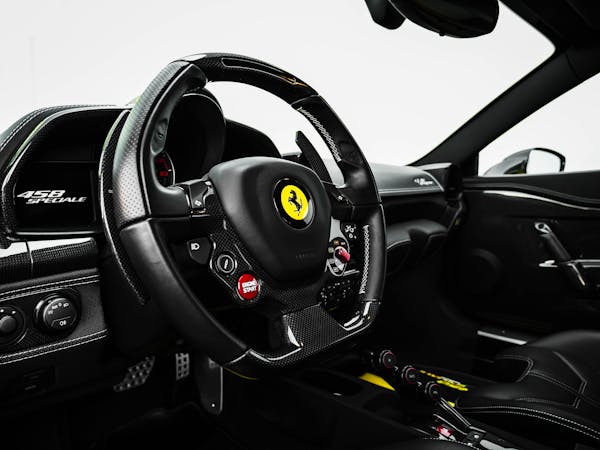
1. Seamless Integration with Smartphones and Apps
By 2025, we can expect car infotainment systems to offer even deeper integration with smartphones and mobile apps, providing drivers with more seamless and intuitive controls.
- Wireless Smartphone Integration: While smartphone integration is already a common feature in many vehicles, by 2025, wireless Apple CarPlay and Android Auto will be standard in nearly every car model. This will allow drivers to connect their phones to the infotainment system without the need for USB cables, making it more convenient and less cluttered.
- Expanded App Ecosystem: As more apps become available for use within the car, drivers will be able to access a broader range of functionalities directly from their infotainment system. Streaming services, navigation apps, social media, and even shopping apps will be optimized for the in-car experience, allowing for easy access and operation while driving.
- Cloud Connectivity: Infotainment systems will be increasingly powered by cloud connectivity, meaning that users will be able to store and access their music, preferences, settings, and data in the cloud. This will allow for a more personalized and consistent experience across different vehicles and over time.
As smartphone integration improves, drivers will enjoy a more cohesive and streamlined digital experience while in their cars, making infotainment systems feel more like an extension of their personal mobile devices.
2. AI-Powered Voice Assistants
By 2025, voice control will play an even more crucial role in car infotainment systems, powered by artificial intelligence (AI). The evolution of voice assistants will allow for more natural and accurate interactions between drivers and their vehicles.
- Natural Language Processing: Infotainment systems will incorporate more advanced natural language processing (NLP) capabilities, making it easier for drivers to use voice commands. Instead of relying on simple, preset commands, drivers will be able to engage in more conversational interactions with their cars. For example, a driver might say, “Find the nearest coffee shop with Wi-Fi” and the system will understand the intent and provide relevant results.
- Context-Aware Assistance: With AI advancements, voice assistants will become more context-aware, understanding factors like location, traffic conditions, and the driver’s preferences. This will allow them to provide more personalized responses and make smarter suggestions, such as adjusting the climate control based on the driver’s comfort preferences or recommending a route based on driving habits.
- Multi-Functionality: Voice assistants will also be able to perform a wider range of tasks, from adjusting settings (temperature, seat positions) to controlling vehicle functions (navigation, audio, phone calls) and even integrating with external smart devices. The systems will respond quickly and accurately to a variety of commands, making them much more useful and efficient.
By 2025, voice assistants in car infotainment systems will feel like a true virtual assistant, capable of handling a wide range of tasks with minimal effort from the driver.
3. Augmented Reality Dashboards and Displays
One of the most exciting developments for 2025 is the use of augmented reality (AR) in car infotainment systems. AR technology will bring an entirely new level of interactivity and functionality to dashboards and head-up displays, enhancing the driving experience.
- Enhanced Navigation: Augmented reality navigation will display navigation instructions directly on the windshield, overlaying directions onto the real-world view of the road. For example, arrows might appear on the street, pointing the driver in the right direction. This will help drivers follow complex routes with ease, reducing the chances of missing an exit or turn.
- Increased Customization: Infotainment displays will offer more customizable layouts, allowing drivers to adjust the information they see on the screen. For example, the AR interface could display real-time information like speed limits, road conditions, and weather updates, in addition to more traditional metrics like speed, fuel levels, and tire pressure.
- Improved Driver Assistance: ADAS (Advanced Driver Assistance Systems) will also benefit from AR, as features like lane departure warnings, collision alerts, and pedestrian detection will be visually enhanced on the heads-up display. By 2025, this will make the driving experience not only safer but more intuitive and engaging.
The integration of augmented reality will make infotainment systems more interactive and safer, while also providing more information in a user-friendly manner.
4. Advanced Gesture Control
By 2025, gesture control will become more sophisticated and intuitive, allowing drivers to control their infotainment systems without needing to touch a screen or press buttons.
- Air Gestures: Through sensors and cameras in the vehicle, drivers will be able to use simple hand gestures to control functions like adjusting volume, changing the radio station, or answering a call. For example, a thumbs-up gesture might mute the volume, or a simple swipe could navigate between menus.
- Enhanced Control with Precision: Unlike current gesture controls that may be limited, future systems will offer more precise and accurate recognition, allowing for more complex and fluid actions. For example, swiping through a playlist, zooming in on a map, or interacting with voice commands could be executed with more accuracy and fewer mistakes.
- Non-Disruptive Interface: Gesture controls will allow drivers to maintain focus on the road while interacting with the infotainment system, minimizing the need for eye contact with screens. This will improve overall safety and convenience.
Advanced gesture controls will make using the car’s infotainment system easier and safer by reducing the need for physical interaction with the dashboard or center console.
5. Next-Generation Connectivity and 5G Integration
By 2025, 5G connectivity will revolutionize car infotainment systems, enabling faster, more reliable connections to the internet, cloud services, and other vehicles on the road.
- Faster Streaming and Downloads: With 5G, drivers and passengers will be able to stream movies, music, and other content in ultra-high definition (4K) without buffering or lag. This will make long trips more entertaining, with seamless access to the latest media, apps, and entertainment options.
- Vehicle-to-Vehicle (V2V) Communication: 5G technology will enable vehicle-to-vehicle communication, allowing cars to exchange data about their surroundings. This will help improve safety, as cars can alert each other about traffic conditions, accidents, or road hazards in real-time, allowing for smarter, safer driving.
- Smart City Integration: Infotainment systems will be better integrated with smart city infrastructure, allowing vehicles to receive real-time updates about traffic patterns, road closures, and weather conditions. This will make it easier to plan routes and avoid delays.
The adoption of 5G connectivity in car infotainment systems will bring faster speeds, smarter features, and more integrated services, transforming how drivers and passengers interact with their vehicles.
6. In-Car Health Monitoring and Wellness Features
As health and well-being continue to be a priority, car manufacturers are integrating health monitoring features into infotainment systems, offering a new level of personalization and care.
- Vital Sign Monitoring: By 2025, some vehicles will be equipped with biometric sensors that monitor vital signs like heart rate, stress levels, and fatigue. The infotainment system will analyze this data and provide feedback to the driver, such as recommending rest breaks or adjusting the cabin temperature to improve comfort.
- Personalized Wellness: Infotainment systems will offer personalized wellness programs, using AI to suggest activities such as relaxation exercises, soothing music, or even adjusting the seat posture to promote physical well-being. These systems may also integrate with external fitness apps or health devices to track overall wellness.
- Climate Control for Comfort: In addition to health monitoring, car infotainment systems will allow for more sophisticated climate control based on the driver’s preferences. The system will automatically adjust the air quality, temperature, and even lighting based on the driver’s mood or preferences, promoting a comfortable and relaxing driving experience.
The health monitoring and wellness features in infotainment systems will make driving not only more entertaining but also safer and more comfortable, especially on long journeys.
Conclusion
By 2025, car infotainment systems will be far more advanced than they are today, offering features like AI-powered voice assistants, augmented reality dashboards, gesture control, and 5G connectivity. With deeper integration of mobile apps, more personalized experiences, and improved safety features, these systems will make the driving experience more intuitive, enjoyable, and safer. As the digital transformation in the automotive industry continues, the role of the infotainment system will evolve to offer even more sophisticated and connected features that cater to the needs of modern drivers.
This article covers the evolution of car infotainment systems by 2025. If you have any more questions or need further details, feel free to ask!